Restoration
How We Get There
Restoration is not the reward for finishing. It is how the work becomes possible.
Sleep, movement, meditation, breathwork, forest bathing, prayer, stillness. These practices are not extras. They are the conditions the nervous system needs to finally release what it has been holding and begin to heal.
What restoration actually means
Not recovery. Return.
Recovery implies something was broken. Restoration implies you were always whole and the work is simply creating the conditions for that wholeness to resurface. The nervous system does not heal through effort. It heals through safety. And safety is not a feeling you can will yourself into. It is a state the body reaches when the right conditions are consistently present.
The practices on this page are those conditions. Some are rooted in neuroscience. Some in ancient tradition. Some in both. What they share is this: they all shift the nervous system from survival mode into restoration mode. From bracing into release. From doing into being.
The body was designed to restore itself. Rest is not a reward. It is a requirement. And for those reaching toward something larger than their own effort, that reaching is itself one of the most powerful restoration practices available.
The practices
Six ways the nervous system learns it is safe to rest.
Each practice below is evidence-based and drawn from mind-body science, lifestyle medicine research, and nature-based therapy.
Free guides for several of these are available to download below.
Sleep Science
Restorative Sleep
Sleep is where the nervous system does its most essential repair. During deep sleep the brain clears inflammatory byproducts, the immune system consolidates, and stress hormones begin to metabolize. Restorative sleep is not just rest. It is the foundation everything else is built on. When the nervous system is chronically activated, sleep is the first thing to suffer. Restoring it requires addressing the nervous system state underneath, not just the sleep habits on top.
Free guide available below.
Movement
Movement as Regulation
The body stores stress as physical tension. Movement is one of the primary ways it discharges. This is not about fitness or performance. It is about giving the nervous system a biological pathway to complete the stress response cycle that modern life keeps interrupting. Walking, shaking, swimming, stretching, dancing. Ancient nervous system tools the body recognizes immediately.
Free guide available below.
Breathwork
Breathwork and Breathing Practices
Breath is the only autonomic function you can consciously control. That makes it one of the most direct access points to the nervous system available to anyone, anywhere, at any time. Slow, deliberate breathing activates the parasympathetic nervous system, lowers heart rate, reduces cortisol, and signals safety to the amygdala. Protocols range from simple daily regulation techniques to more structured approaches for anxiety and panic.
Free guide available below.
Contemplative Practice
Meditation and Stillness
Meditation is not about emptying the mind. It is about learning to witness it without being pulled under. For people carrying chronic stress or anxiety, stillness can feel threatening at first. The resistance you feel when you try to slow down is not a sign it is not working. It is often the first sign that it is. Regular practice has been shown to reduce amygdala reactivity, lower inflammatory markers, and expand the window of tolerance over time.
Free beginner guide available below.
Nature-Based
Forest Bathing
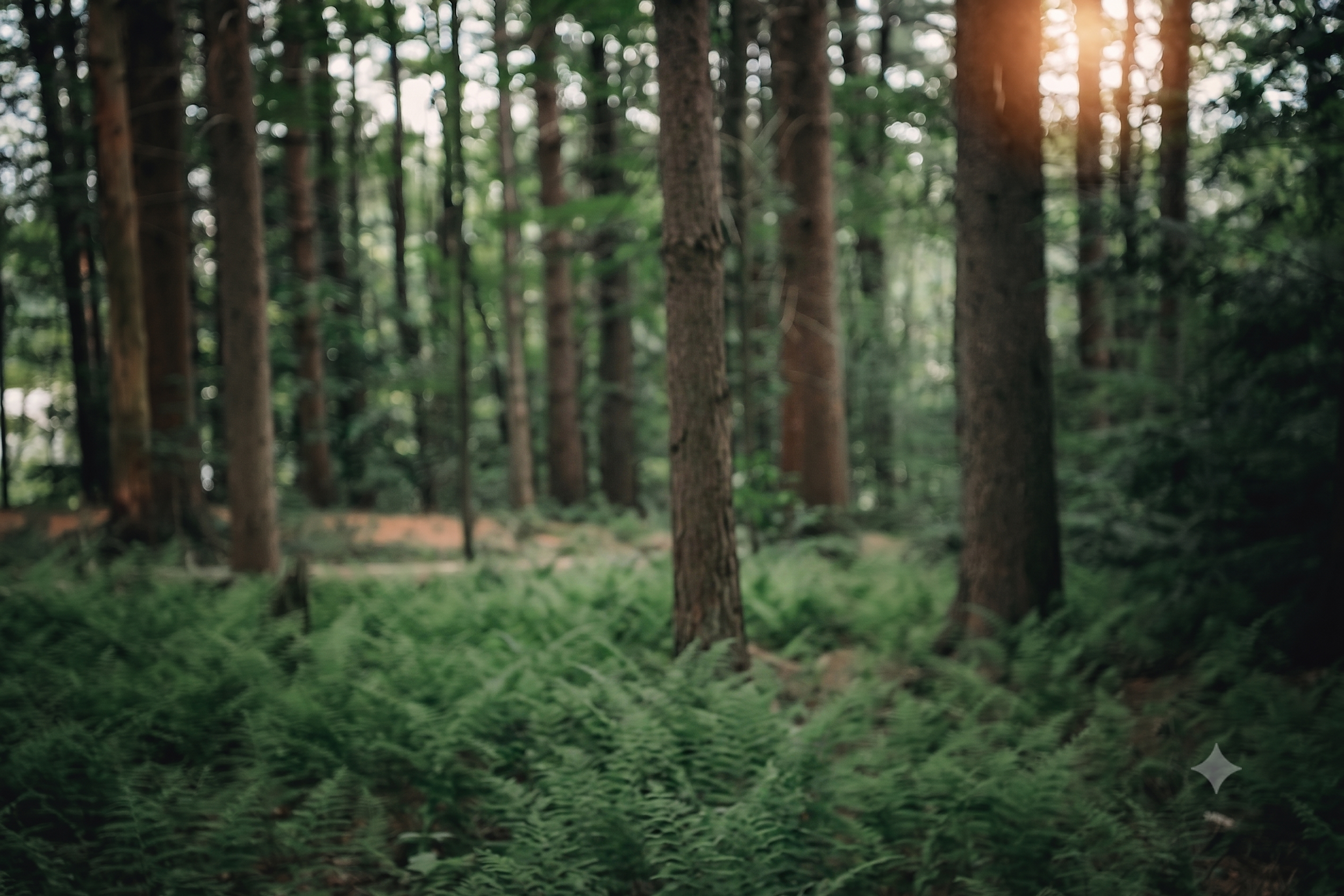
Forest bathing, also known as Shinrin-yoku and Silotherapy, is the practice of immersive intentional time in a forested environment. Not hiking. Not exercise. Presence. Research consistently shows it lowers cortisol, reduces blood pressure, increases natural killer cell activity, and shifts the nervous system toward parasympathetic dominance. As a certified Silvotherapy practitioner, I guide individuals and groups through this practice as a legitimate evidence-based intervention.
Full section below.
Faith and Spirit
Prayer and Contemplative Faith
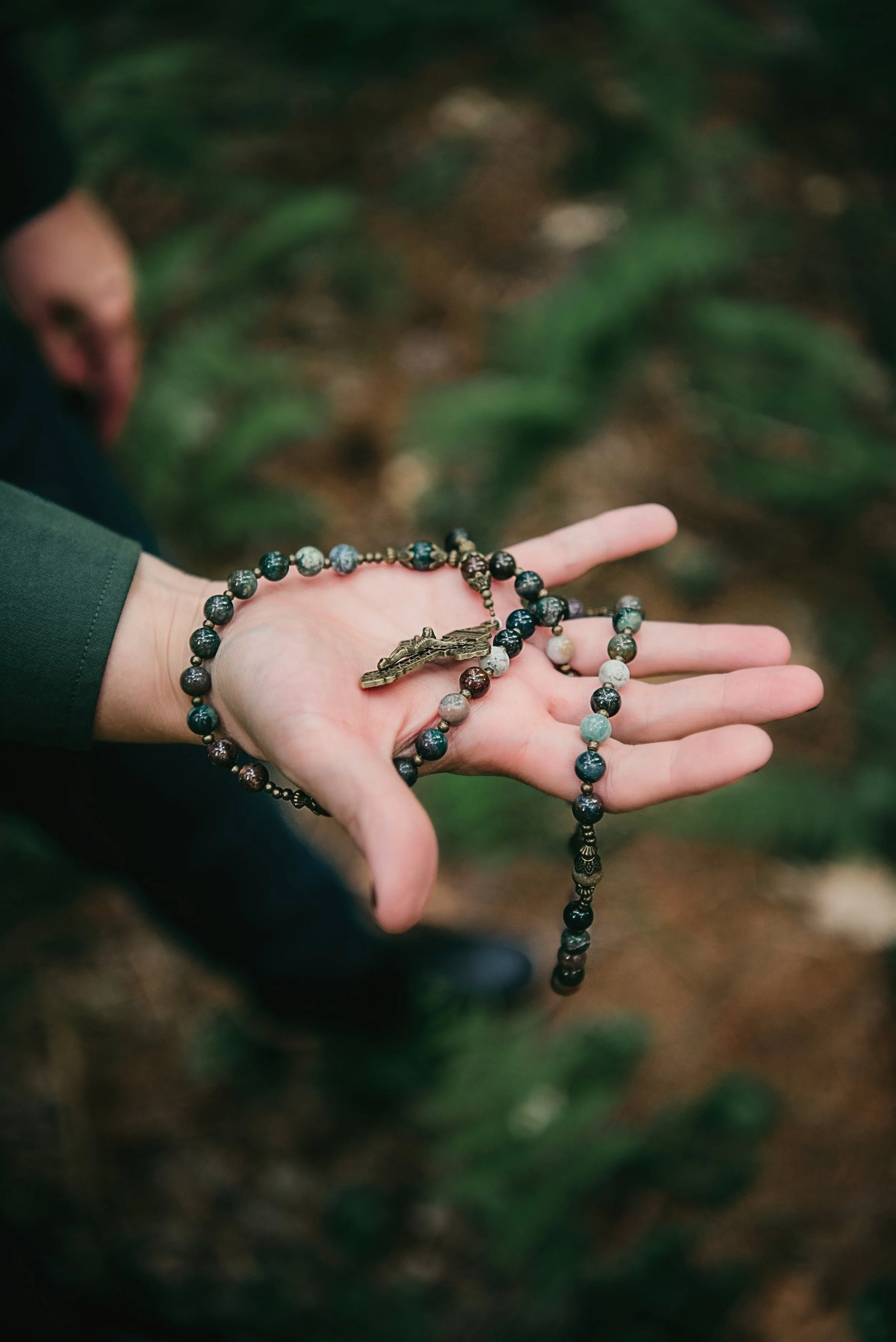
Research on meaning, purpose, and nervous system health consistently shows that restoration accelerates when a person feels held by something beyond their own effort. Whether that is God, the Creator, or simply the conviction that they are not alone in what they are carrying. Prayer, contemplative practice, and faith-rooted community are not separate from the science of healing. For many people, they are the most direct path into it.
Full faith section below.
Forest bathing
The forest is not a metaphor. It is medicine.
Shinrin-yoku is the Japanese practice of immersive presence in nature. Not exercise. Not a hike. Simply being in a forested environment with full sensory attention. The research, pioneered in Japan and now replicated internationally, is consistent across thousands of participants.
As a certified Silvotherapy practitioner, I guide individuals and small groups through structured forest bathing experiences designed specifically for nervous system regulation. These are not nature walks. They are evidence-based interventions for people whose nervous systems need something the clinical environment cannot provide.
There is something in standing among old trees that the body recognizes before the mind does. My faith tells me that is not an accident. The natural world was made as a place of restoration. The research is simply confirming what was always true.
20 Min
Just 20 minutes in a forest environment measurably lowers cortisol levels.
Journal of Environmental Health, 2010
NK Cells
Natural killer cell activity increases significantly after forest exposure, supporting immune function.
International Journal of Immunopathology and Pharmacology
Blood Pressure
Both systolic and diastolic readings reduced following forest bathing vs urban environments.
Environmental Health & Preventive Medicine
Heart Rate Variability
HRV improves in forested environments, indicating a measurable shift toward nervous system restoration.
Public Health, 2012
Faith and the nervous system
Something larger than the weight you are carrying.
My faith is rooted in Jesus. I name that honestly, not to prescribe a path, but because pretending otherwise would not be true to the work. What I have found, and what the research on meaning, purpose, and healing consistently confirms, is that restoration accelerates when a person feels held by something beyond their own effort.
Whether that is God, the Creator, or simply the quiet certainty that they are not alone in what they are carrying. That orientation toward something larger changes the nervous system's relationship to fear. Spirit is not a category added onto wellness. For many people, it is the ground beneath it.
You were made for more than survival. That is not a wellness concept. It is a conviction. And it is one that the nervous system, given the right conditions, seems to already know.
For the Skeptic
Everything on this page is grounded in peer-reviewed research. The cortisol numbers are real. The sleep science is real. You do no need faith to benefit from any of it. You just need presence.
For the Believer
The science and the scripture are not in conflict here. Rest, restoration, the Sabbath, wilderness. These were not metaphors. They were instructions for how a human nervous system was designed to function.
For everyone in between
Most people who come to this work are reaching toward something they cannot quite name. That is enough. You do not need to know what you believe to know that you need rest, connection, and something that holds you.
Ready to experience this
Restoration is best felt in person.
Come find out what that means.
Forest bathing experiences, group workshops, seminars, and private sessions. All of it is available. All of it starts with a conversation.